When a Creator's Messy Breakup Feels Like Yours Too — And Why That's Not Actually Weird
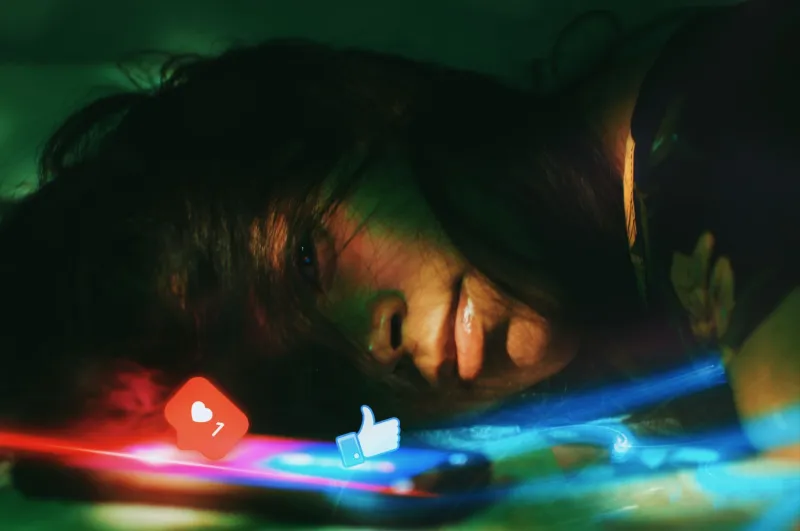
Let's just say it out loud: you were not in that relationship. You didn't share an apartment with them. You didn't split a Hulu password or argue about whose turn it was to do the dishes. And yet — when the breakup announcement dropped, when the vague tweets started piling up, when the comment sections turned into emotional war zones — something in your chest genuinely tightened.
You're not alone. And honestly? You're not being dramatic.
The way audiences respond to creators' personal crises — breakups, public feuds, tearful apology videos, messy falling-outs with their best friend who also had a channel — has become one of the defining emotional experiences of being online in 2025. It's raw, it's confusing, and it hits in places that feel way too personal for someone you've technically never met.
So what is actually going on here?
You Built a Real Relationship — Just a One-Sided One
Here's the thing about parasocial bonds that most people get wrong: calling them "fake" misses the point entirely. The feelings are real. The investment is real. The grief, when something ruptures, is absolutely real.
Parasocial relationships — the psychological term for the one-way emotional connections audiences form with media figures — aren't a Gen Z invention. People had them with soap opera characters in the '70s and talk show hosts in the '90s. But the internet, and especially the creator economy, turbocharged something that used to be pretty passive.
Creators don't just perform at you. They talk to you. They whisper into a camera at 11pm about the fight they just had. They share their therapy breakthroughs in a casual YouTube vlog. They cry on TikTok Lives and read your comments in real time. The format is designed — intentionally or not — to mimic the texture of genuine intimacy. You know their coffee order, their mom's name, their biggest insecurity. That's not nothing.
When someone you "know" that well goes through something painful, your nervous system doesn't automatically sort it into a neat little box labeled Not My Business. It just... responds.
The Blurred Line Between Entertainer and Confidant
What makes creator drama hit differently from, say, a celebrity divorce you read about in a tabloid, is proximity. There's no publicist filtering the information. There's no glossy magazine photoshoot softening the edges. The breakup unfolds in real time — through a cryptic Story, a deleted post someone screenshotted, a comment that gets ratio'd before it disappears.
You're not reading about it a week later. You're watching it. Sometimes you're watching it live.
And because creators have spent months or years making you feel like a trusted friend in the room, their crisis doesn't land like celebrity gossip. It lands like a group chat notification about someone you actually care about. The parasocial contract has been so thoroughly built on the feeling of mutual closeness that when something breaks — a relationship, a friendship, a public persona — the audience absorbs the shockwave.
There's also the community layer to consider. When a creator goes through something publicly, their audience goes through it together. Comment sections become group processing spaces. Discord servers light up. Subreddits turn into something between a support group and a courtroom. You're not just grieving alone — you're grieving alongside thousands of other people who feel exactly the same way, which somehow makes it more intense, not less.
Why the "It's Not Your Business" Take Misses the Point
There's always someone in the replies ready to drop the "parasocial relationships aren't real, touch grass" response. And look — there's a version of that critique that's fair. When audiences start making demands of creators, when grief tips into entitlement, when people feel owed an explanation for a stranger's personal life, that's worth examining.
But dismissing the emotional response wholesale? That's just not accurate to how human psychology works.
We are wired to connect. We are wired to respond to faces, voices, vulnerability, and consistency — which is exactly what a creator who posts five days a week delivers. Your brain doesn't have a special filter that goes, "Wait, this person has 800,000 subscribers, so none of this counts." It responds to the cues it's given. And for years, it's been given every cue that says: this person is part of your world.
The grief you feel when that world shifts isn't a bug in your emotional software. It's the software working exactly as designed.
The Specific Pain of a Parasocial Breakup
What makes a creator's personal drama uniquely disorienting — versus, say, a show getting cancelled or a band breaking up — is that it's about real people making real choices in real time. There's no script. There's no satisfying finale. The story just keeps going, awkwardly, publicly, with both parties still posting.
You might find yourself doing things that feel embarrassing to admit: refreshing their page compulsively, dissecting a caption for subtext, feeling weirdly betrayed when they seem fine. You might feel protective in ways that surprise you. You might feel angry — at them, at the other person, at the situation — even though none of it is yours to be angry about.
And underneath all of it is usually a quieter, stranger feeling: the realization that the version of this person you thought you knew might not be the whole picture. That intimacy you felt? It was curated. Not fake, necessarily. But curated. That revelation can sting in its own specific way, separate from whatever drama triggered it.
How to Actually Process It Without Spiraling
First: let yourself feel it without judgment. The feelings aren't embarrassing — they're human. Shaming yourself for caring doesn't make you care less; it just adds a layer of guilt on top of something that was already uncomfortable.
Second: notice when the processing stops being about your feelings and starts being about their situation. There's a difference between working through your own emotional response and obsessively monitoring someone else's life for updates. One is healthy. The other is a loop that tends to make things worse.
Third: lean into your community — the real one. If a creator's drama is hitting hard, it's often because something in it is touching a real nerve. A fear about relationships. A feeling of betrayal. A reminder of your own losses. That's worth talking about with people who actually know you.
And finally: give yourself permission to step back from the content for a minute. You don't owe anyone — creator or audience — your continuous emotional presence during something that's genuinely affecting you.
The Bigger Picture
The way we grieve creators' personal drama isn't a flaw in how digital-native audiences engage with content. It's a reflection of how deeply the creator economy has rewired the concept of intimacy and community. We built new kinds of relationships online — messy, one-sided, surprisingly powerful ones — and now we're figuring out, in real time, what it means when those relationships hurt.
That's not pathetic. That's just what it looks like to be human in a world that keeps inventing new ways to connect.