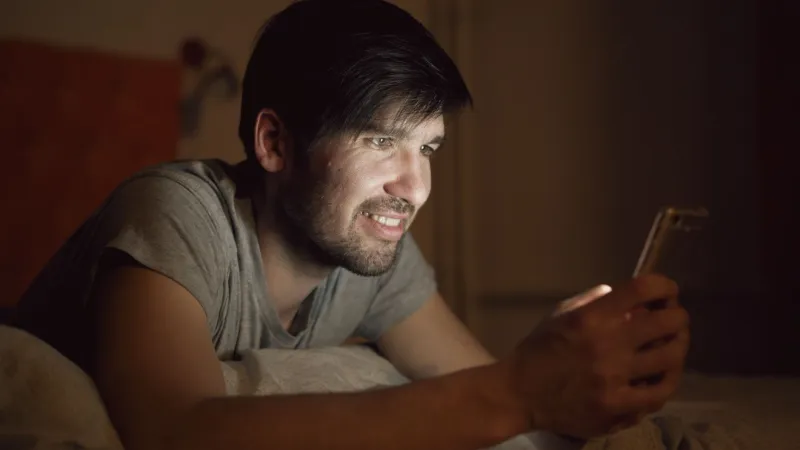
Why the Third Episode Hits Different on a Rewatch (And What That Says About Where You Are Now)

You've seen it before. You know the ending. You probably even remember where you were the first time you watched it — sprawled on a dorm couch, eating cereal at midnight, or stress-binging it to avoid something important. And yet, here you are again. Same show. Different you.
And this time? It's wrecking you in completely new ways.
This isn't some glitch in your emotional wiring. It's actually one of the more fascinating things happening in the way Gen Z consumes content right now — and the community conversations it's sparking online are just as interesting as the rewatches themselves.
The Show Didn't Change. You Did.
Let's start with the obvious thing nobody says out loud: when a show hits harder the second time, it's almost never about the show. It's a mirror moment. You're catching subtext you weren't equipped to read the first time because you hadn't lived it yet.
Think about rewatching something like Euphoria or BoJack Horseman after going through your own rough patch. Suddenly the dialogue that felt dramatic and distant becomes almost uncomfortably accurate. The character you used to find annoying is now the one you understand the most. That's not a coincidence — that's emotional literacy doing its job.
Psychologists have a term for this: narrative transportation. The idea is that stories absorb us differently based on our current mental and emotional state. The first watch is often about plot — what happens next, who survives, will they end up together. The rewatch is about meaning. You already know the destination, so now you can actually pay attention to the road.
Comfort Content Is Doing Heavy Lifting Right Now
There's a reason "comfort rewatch" has become its own genre of online conversation. On TikTok, Twitter, and Reddit threads, people aren't just recommending shows — they're documenting which rewatch number they're on and why right now. That specificity matters.
Rewatching isn't passive anymore. It's a form of emotional regulation that a lot of people have quietly adopted without necessarily naming it. Putting on a familiar show when you're anxious, grieving, or just completely overstimulated by the internet gives your nervous system something it recognizes. There's no suspense tax. No cognitive load of keeping track of a new world and new characters. Just the comfort of already knowing what's coming.
For a generation that grew up with infinite content but also infinite uncertainty — economically, politically, socially — the rewatch offers something genuinely rare: predictability. And that's not a small thing.
The Details You Missed Are Kind of the Whole Point
Here's where it gets genuinely interesting. One of the most common rewatch experiences people report is noticing things that were always there — foreshadowing, background details, character choices that only make sense in retrospect — and feeling almost betrayed that they missed them the first time.
But that "missing" is actually the storytelling doing its job. Good writers layer their work intentionally, knowing that first-time viewers are operating in a state of narrative suspense. The second watch is the one the creators arguably designed for. It's when you catch the glance that means everything, the line that foreshadows the finale, the costume choice that was a metaphor the whole time.
This is why rewatch discourse online tends to be so much richer than initial reaction content. The hot takes and shock posts from premiere week are fun, but the Reddit deep-dives and YouTube video essays that drop six months later — those are where the real conversation lives. That community is slower, more thoughtful, and usually way more interesting to be part of.
Rewatch Culture Is Building a Different Kind of Community
Initial release hype is a sprint. Rewatch culture is a marathon — and the people who show up for it are usually there for different reasons.
When a show first drops, the energy is all about keeping up. Being in the conversation in real time, having the hot take, not getting spoiled. It's social performance as much as it is genuine engagement. But rewatch communities? Those form around shared interpretation rather than shared experience of watching simultaneously. You're not racing anyone. You're just digging.
Discord servers dedicated to specific shows, subreddits where people post frame-by-frame analysis years after a finale, TikTok creators making "things you missed" content that gets millions of views long after the cultural moment has passed — this is rewatch culture operating at full speed. And it creates a weirdly intimate kind of connection. When someone posts about how a specific scene finally made them cry on their fourth rewatch because of something they went through this year, the responses aren't just "same" — they're full paragraphs. Confessions. Shared grief and recognition.
That's not the energy of a launch week Twitter thread. That's something quieter and more real.
What Your Rewatch Choices Actually Reveal
If you want to know where someone is emotionally, don't ask them what they're watching for the first time — ask them what they're rewatching. The new watch tells you about their curiosity. The rewatch tells you about their current inner life.
Someone rewatching New Girl for the fifth time isn't just craving laughs. They might be craving a version of friendship that feels uncomplicated. Someone circling back to The Bear is probably processing something about pressure and identity. The person rewatching Avatar: The Last Airbender as an adult is almost certainly working through something about growth, failure, and what it means to be good.
None of this is a diagnosis. It's just pattern recognition — and it's the kind of self-awareness that tends to grow the more you pay attention to your own rewatch impulses.
The Rewatch as a Personal Growth Checkpoint
Maybe the most underrated thing about rewatching is what it tells you about how much you've changed. When a scene that bored you at 17 makes you emotional at 23, that's data. When a character you idolized as a kid now reads as deeply flawed, that's your values clarifying in real time.
Rewatches are informal checkpoints on your own timeline. They're a way of measuring yourself against a fixed point — the show stays the same, so any shift in how you receive it is entirely yours.
And honestly? In a culture that moves at a pace designed to prevent reflection, sitting down with something familiar and letting it tell you something new about yourself is kind of a radical act.
So go ahead. Start it from the beginning again. You're not just rewatching the show — you're checking in with yourself. And depending on what you notice this time around, you might be surprised by what you find.