Hitting Unfollow Doesn't Make You a Traitor — It Makes You Someone Who's Growing
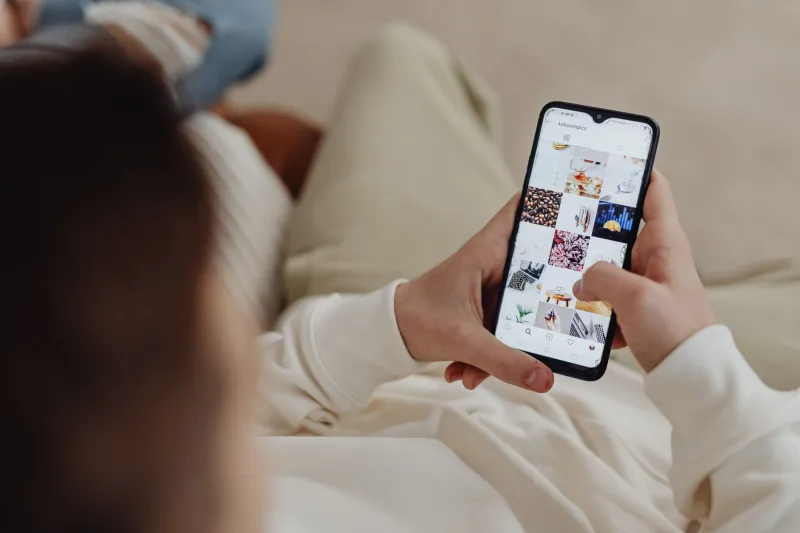
There's this specific flavor of guilt that hits right after you unfollow someone you used to be really into. Like, genuinely into — binge-watching their old content at 2 a.m., quoting their catchphrases, maybe even buying something they recommended that you still kind of regret. And then one day their post shows up and you just... scroll past it. No spark. No interest. Just a vague sense that this no longer belongs in your life.
So you unfollow. And then immediately feel like a bad person.
Here's the thing: you're not. What you just did was actually a small act of self-awareness, and it deserves way more credit than the guilt spiral you're probably giving it.
Your Feed Is a Living Thing — Let It Breathe
Think about how you consume content now versus two or three years ago. The platforms you spend time on, the formats you prefer, the topics that actually hold your attention — all of it has probably shifted in ways you didn't even consciously track. That's not inconsistency. That's just what happens when you're a real person moving through real experiences.
Your feed, at its best, is supposed to reflect who you are right now — not who you were when you first discovered a creator during a specific season of your life. The problem is that most of us treat our follow lists like they're permanent records. Like unfollowing is some kind of official statement that you're revoking your appreciation for everything they ever made.
It isn't. It's just curation. And curation is healthy.
The Guilt Comes From Conflating Loyalty With Consumption
We've been conditioned — especially in online spaces — to treat engagement as a form of loyalty. Algorithms reward it. Creators sometimes lean into it, framing their audience as a community with an implicit obligation to show up consistently. And look, community is real and valuable. But there's a difference between being part of something meaningful and feeling like you owe someone your attention indefinitely.
You don't owe anyone your feed space just because they were important to you at one point. Gratitude for what something meant to you doesn't have to come with a lifetime subscription. You can genuinely appreciate the role a creator played in your life — maybe they got you through a rough patch, introduced you to a whole new interest, or just made boring commutes bearable — and still decide that you've moved on from that chapter.
The two things coexist just fine.
What Unfollowing Actually Signals About You
Here's the reframe that might actually stick: unfollowing is evidence of growth, not betrayal. When you stop resonating with content you once loved, it usually means one of a few things.
Maybe your taste has gotten more specific. You used to love broad lifestyle content and now you're deep in a niche that didn't even exist for you three years ago. That's your interests maturing, not you being fickle.
Maybe your values have shifted. Content that felt fun or harmless before now reads differently — maybe it's a little too performative, or it centers things you've moved away from caring about. That's growth, full stop.
Maybe you just need different energy right now. Life changes what you need from entertainment. Someone who was perfect pandemic-era company might not fit the version of your life you're living today. That's not a slight against them. It's just timing.
None of these reasons require an apology or an explanation. They're just the natural mechanics of how people change.
The Curation Cycle Nobody Talks About
There's this idea in personal development spaces about regularly auditing the physical stuff in your life — your closet, your pantry, your inbox. The logic is that clearing out what no longer serves you makes room for what actually does. Your digital consumption deserves the same treatment, and honestly, it probably needs it more often.
The average person follows hundreds of accounts across multiple platforms. A significant chunk of those follows were made during a different phase of life, under different circumstances, with different needs. Letting all of that just accumulate unchecked doesn't make you loyal — it makes your feed noisy and your attention scattered.
A good curation cycle isn't about being cold or calculating. It's about being intentional. It's asking yourself, honestly, whether the content you're consuming on a daily basis is actually adding something to your life or just filling space out of habit. Habit-following is real, and it's one of the sneakier ways we end up feeling vaguely dissatisfied with our online experience without being able to pinpoint why.
You Can Celebrate This, Actually
Seriously. The unfollow — when it comes from this place of genuine evolution rather than drama or cancellation — is worth celebrating. It means your taste is sharp enough that not everything makes the cut anymore. It means you know yourself well enough to recognize when something doesn't fit. It means you're curating your own experience instead of just letting the algorithm decide what gets your attention.
That's not nothing. In a content landscape that's specifically engineered to keep you engaged regardless of whether that engagement is actually good for you, opting out of content that no longer resonates is a quiet but real act of agency.
And if the guilt still creeps in? Remind yourself that the creator whose content you just unfollowed is not sitting there checking their follower count and thinking about you specifically. They're making content for an audience. You were part of that audience. Now you're not. The world keeps spinning.
Let Your Digital Life Grow Up With You
The version of you who first hit follow on that account was real. The things that content meant to you at that time were real. And the version of you who just hit unfollow — the one whose interests have expanded or shifted or simply moved on — is equally real and equally valid.
Your feed should be a reflection of who you are, not a museum of who you used to be. Keeping up with content out of guilt or nostalgia doesn't honor the past — it just clutters the present.
So the next time you catch yourself hovering over that unfollow button, feeling like you're about to do something wrong? Go ahead and press it. Then close the app, do something you actually enjoy, and consider it a small, quiet win for the person you're becoming.